
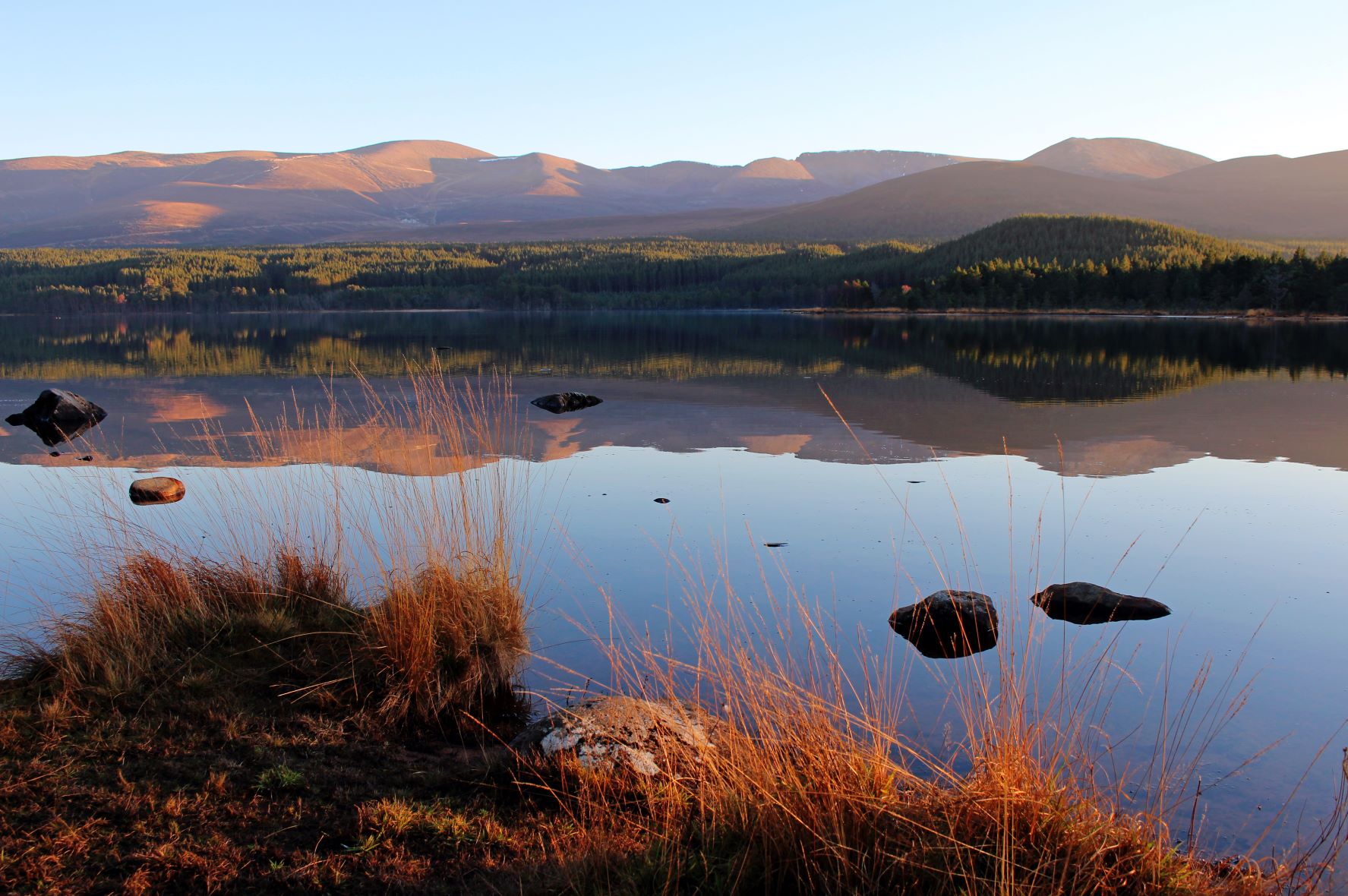
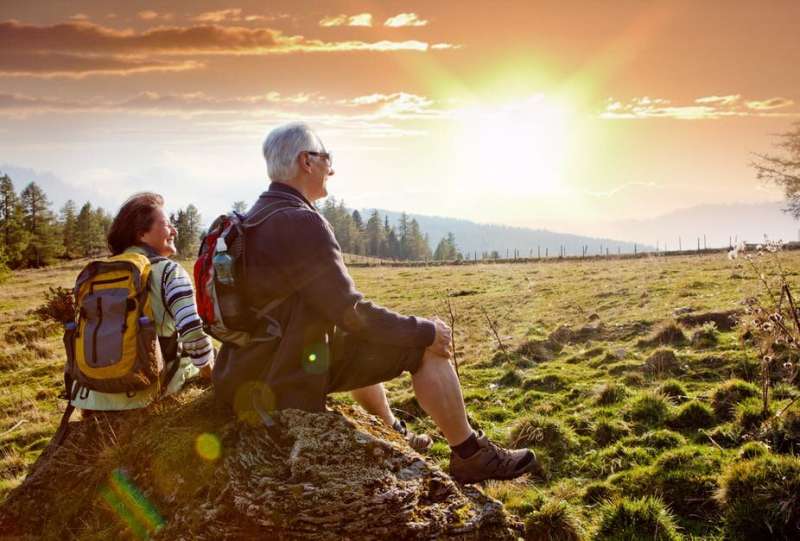
The Spring 2023 issue of Scottish Mountaineer included a special feature called ‘Mountains of the Mind’ to mark Mental Health Awareness week in May. A range of people expressed their love of the mountains and how being among them has contributed to both their physical and mental health. For example, Zahrah Mahmood, the President of Ramblers Scotland says:
“Spending time in the hills and mountains really grounds me. Humbled, yet also somehow empowered, the hills embrace me and remind me that I am one small person in the grand scheme of things. Once I feel submerged in them, my stresses and anxieties begin to feel smaller. And then, like a parting gift, I carry this newfound perspective into my everyday life. I look forward to renewing that feeling and emotion whenever I’m in the hills again.”
The importance of nature for people’s well-being is a key theme of my book. In the chapters on Recreation and Conservation I give details of individuals immersing themselves in the natural environment and how this impacts on their lives. Those whose livelihood takes them into nature, such as keepers, stalkers, and farmers, also loved being outdoors, giving them job satisfaction missing from many other occupations, despite the low pay and hard work.
I have recently read two more books that support the basic hypothesis that ‘nature is good for us’. I will give a short summary of each here and strongly recommend them to you.
Birdgirl: Mya-Rose Craig (2022)
This amazing book was written by a young woman who grew up in a passionate birding family and went all over the world to look for birds. As most keen birders are white males, her family was unusual. Though her white British father initiated the interest, her mother, of Bangladeshi origin, Mya and her sister were soon swept along, sharing the passion and taking full part in planning the trips.
The book recounts these trips, interesting of course for the descriptions of the amazing birds they saw and you are soon caught up in the excitement and emotions of each adventure. It illustrates well a birding sense of place and how it can lead to a general urge to protect all of nature. This is what happened to Mya as she involved herself in the fight for climate justice.
However, there is a strong link to mental health. Mya herself struggled socially at school and experienced racism. Her mother, though, was diagnosed as bipolar. Her mother’s illness affected the mental state of the whole family and life was very difficult as they all struggled to cope. Mya’s account of each adventure illustrates also how the family healed itself as a result of being immersed in nature and searching for their ‘target birds’.
Mya has become a champion not only of birds and the environment, but has also put her efforts into encouraging more people of colour to engage with nature. She knows how much it meant to her and her family, and she wants to encourage others to enjoy the benefits of being in nature.
For more information about Mya and her work see: https://www.birdgirluk.com/
The Nature Fix: Florence Williams (2017)
Williams, a journalist, travels the world to investigate the science behind nature’s positive effects on the brain. William’ book provides loads of empirical evidence for this, looking at a range of real life experiments from forest parks in Korea to outward bound courses in the western USA. In addition, she accompanies neuroscientists as they seek to test the impact one people of nature as they experience it.
Though the book’s conclusions may not be news to those of us who are hillwalkers, climbers, kayakers or birders, the wealth of empirical evidence is very useful when arguing for the value of nature in all those situations where it is threatened. It also provides useful ammunition for educators to argue for more money to be invested in outdoor education for all.
 Land for What? Land for Whom?
One comment