As I actually live in London it makes sense to write about what is going on here and how my research contributes to understanding the issues.
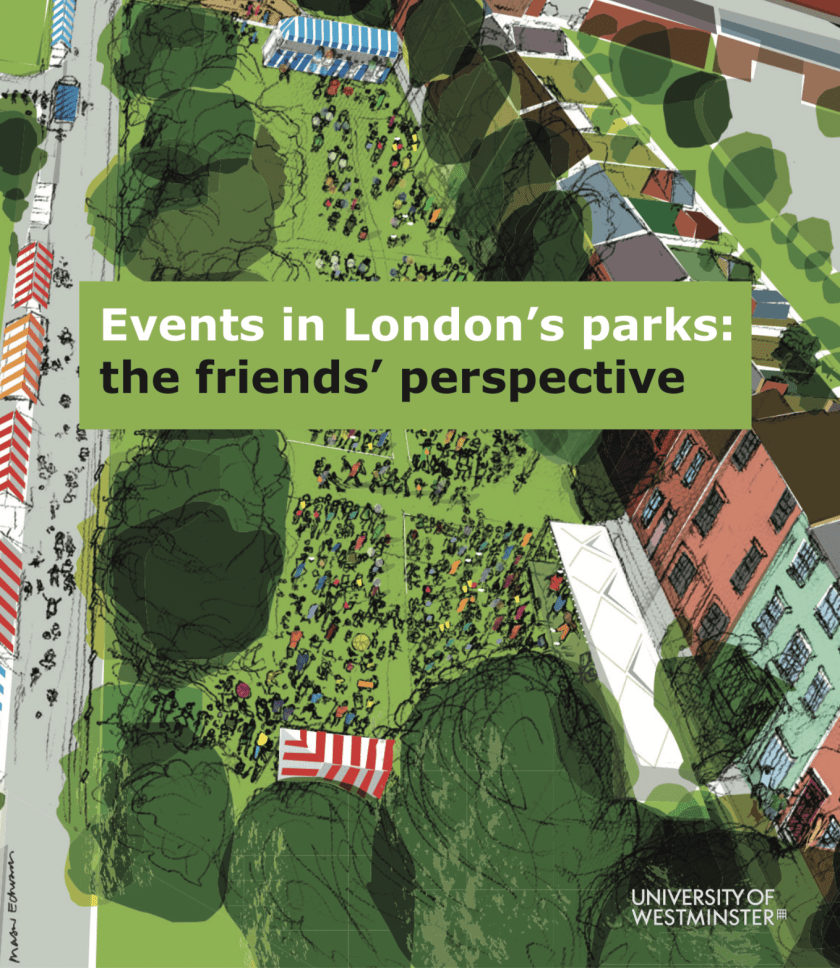
Tower Hamlets council, where I live, has recently confirmed a decision to increase the number of major events in Victoria Park, the main park for the borough, from 10 to 12, and allowing up to 20,000 people rather than the current 5,000.
People in the local community have expressed outrage and are campaigning to get this decision overturned.
One resident, a dad-of-two said: “…this means shutting off large parts of the park for children during their school break and summer as setting up can take a long time for each of these events. This is particularly unfair when we live in a borough that is struggling for space, we have 23,000 people on the waiting list for social housing. Overcrowding is a big problem and now the mayor wants to cut off access to free communal space like Victoria Park where children can play friends, can meet residents, can exercise and life can be lived.”
Another resident called it “privatising the park”.
The other issue is the environmental damage. There is a lot of wildlife in the park and they would be very disturbed by these loud events, maybe causing their departure from the park altogether. In addition, it takes many weeks for the ground to be restored and it would take even longer if there were greater numbers. This means that large sections of the park would be out of action for even longer.
The kind of events that have been taking place in the park are musical festivals that cost much more money than many people in the borough can afford. One festival is called All Points East (https://www.allpointseastfestival.com/), which takes place over two weekends in August. They offer free activities during the week as part of their efforts to win over the local community.
The question has to be asked: is this what parks are for? Many would that parks are a space for Londoners to enjoy the benefits of being in a green space in the middle of a crowded, polluted city. However, it now seems that parks are a space to put on big entertainment events, such as music festivals.
The other question to ask is: parks for whom? The park is now used by local residents for walking and jogging, exercising dogs, meeting friends for a coffee, having a picnic, watching the wild fowl, or just sitting in quiet contemplation. However, now it seems they are to be used as a way of making money for the council, but also for the big corporations that organise these events (see: https://www.aegpresents.co.uk/).
Of course, the events are very popular amongst a large segment of the population who love the music and the buzz of big events. There might be some overlap but largely these groups are different people. The other issue is that the big event will attract people to the area and therefore support local businesses.
Like all land use conflicts, there are many perspectives and decisions like this should be made with full participation of all interested groups and individuals. However, in this case, there was no consultation at all, not even the usual cursory one.
From a personal point of view, not being very interested or being able to afford these festivals, I would come down in favour of keeping a park as a park, and not turn it into an event venue. Why are places that are actually free for ordinary people, in the less well-off parts of London, used for these events? You wouldn’t get them in the private squares or parks in the wealthy areas of London such as Kensington and Chelsea.
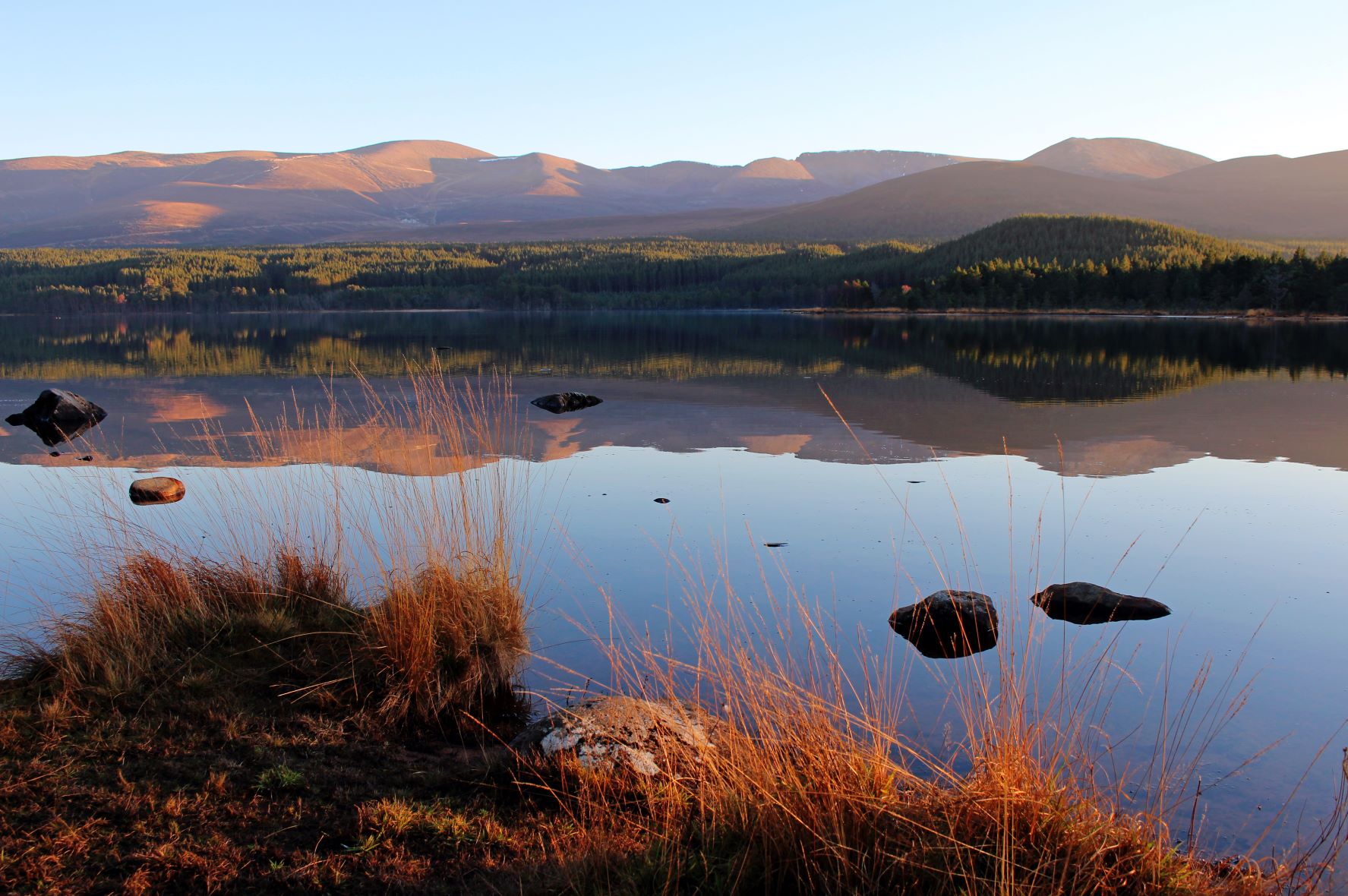
If people in Strathspey could imagine what it would be like if Glenmore Forest Park, Loch an Eilein, or Craigellachie Nature Reserve were closed for many weekends a year with thousands of paying visitors, attending a large festival, with the proceeds going to the landowners, then you will get the idea. You can also see the other side of the argument. A big music festival in Strathspey would bring in loads of visitors and also young people might be keen, as long as they could afford it.
So again, we need to find ways of overcoming land use conflicts that don’t give the main decision-making power to a few- those who stand to make money out of something- but involve both local people and those who have an interest and attachment to the area.
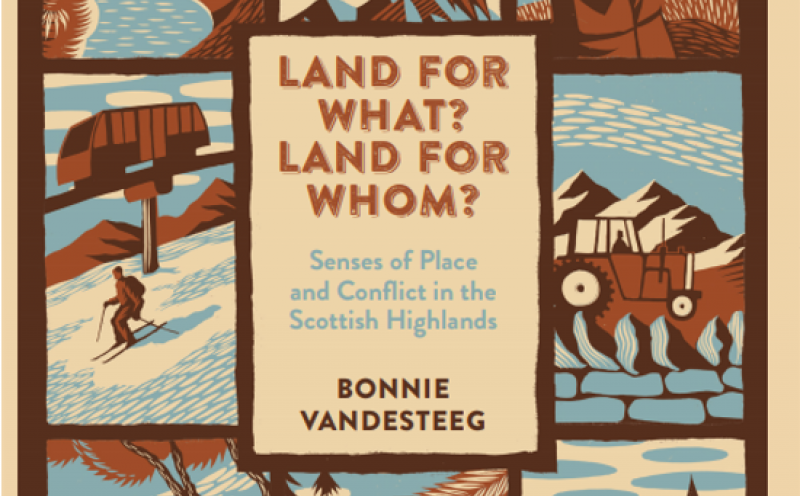
 Land for What? Land for Whom?