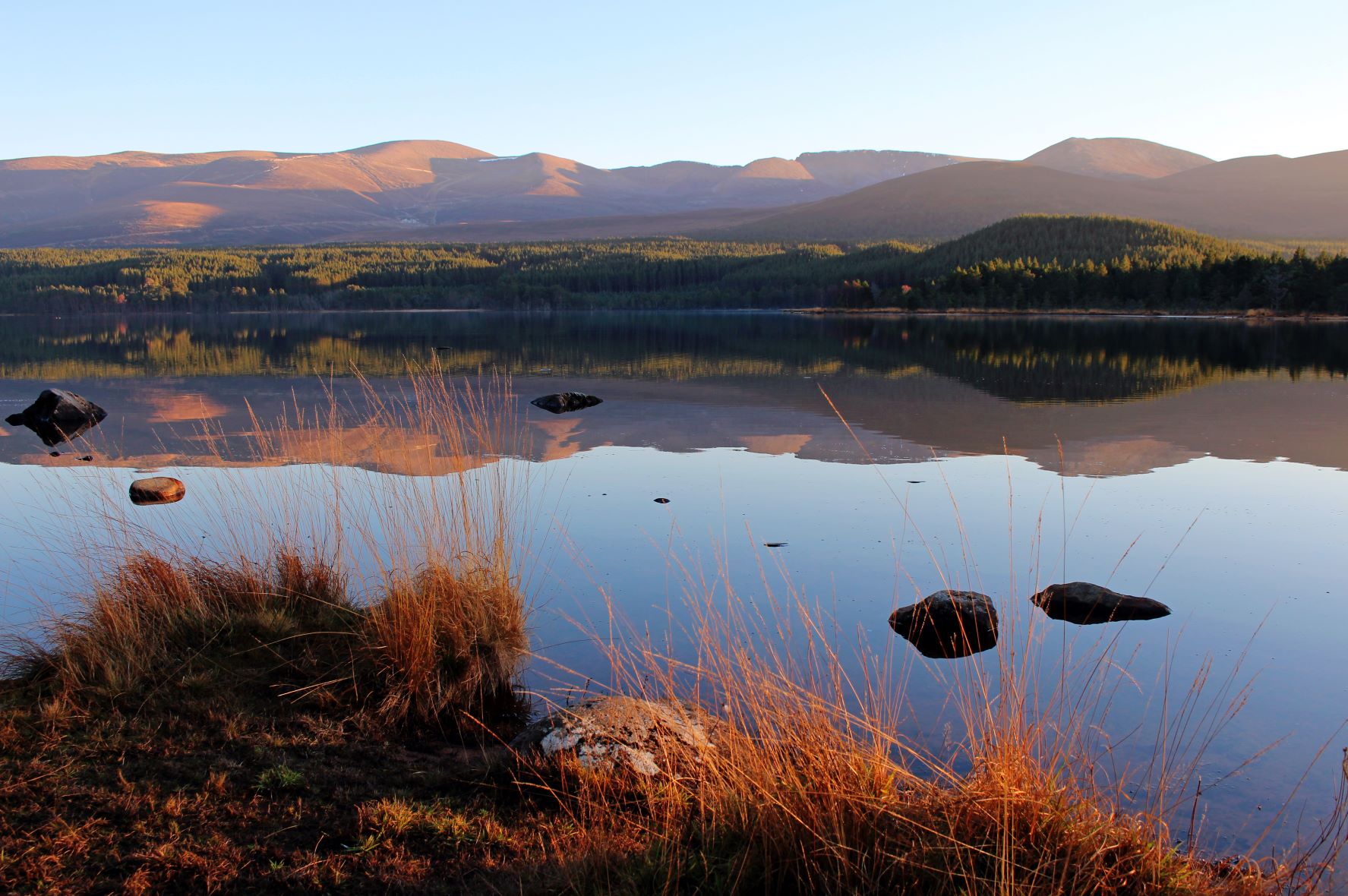
I was attending the Integrated Land Use Conference (a brilliant event-a full report to follow soon!) at the end of March in Kingussie. We had a number of fieldtrips. One of these was to Insh Marshes where we heard about the recent reintroduction of beavers. The warden told us about his efforts to speak to neighbouring crofters and he felt that those who might be affected by the beavers were either supportive or neutral. We also heard from the head ranger at Rothiemurchus where beavers have also been reintroduced. Most of the students, from a variety of land-based courses, seemed keen on this reintroduction and there was no criticism.
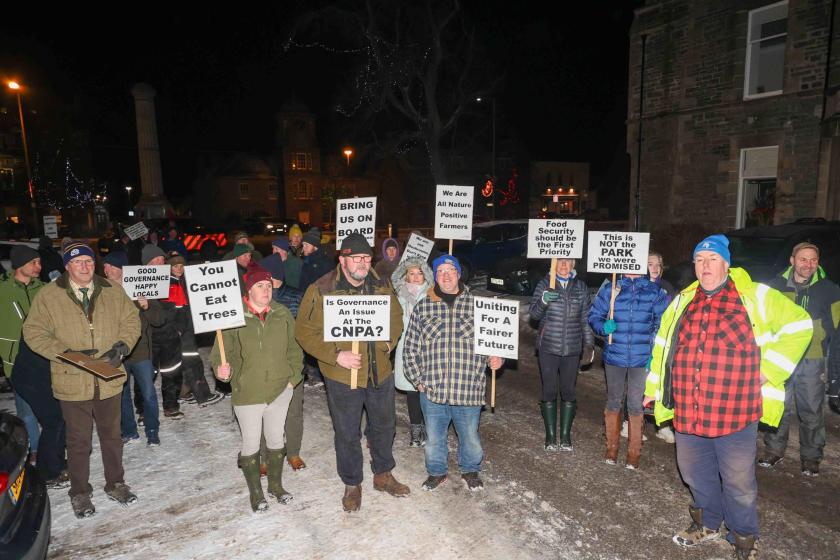
Therefore, I was surprised to hear from one student who lived locally that there had been a protest outside the National Park Offices in Grantown earlier in the month, organised by the newly formed Farmers and Crofters Association. In theory the protest was about the introduction of beavers. According to the chair of the new association: “As seen on the River Spey with the re-introduction of beavers, this is negatively affecting people’s livelihoods.” The worry is that they will cause flooding of low-lying farmland. However, many are arguing that beavers will have to be accepted because of all the benefits they bring both to biodiversity and flood control but that farmers will rightly be wanting compensation for any negative impacts. (See: https://www.thescottishfarmer.co.uk/opinion/23973459.farmers-incentivised-accommodate-beavers/).
Was the protest really about beavers? On closer inspection it seems that farmers and crofters are generally concerned that their voices are not being heard. Though conservationists would probably argue otherwise, the perception is that environmental objectives are being put ahead of livelihood interests in the Cairngorms National Park. Placards at the protest read ‘You cannot eat trees’ and ‘Food security should be the first priority’. Therefore it seems that beavers are just a tipping point for other concerns.
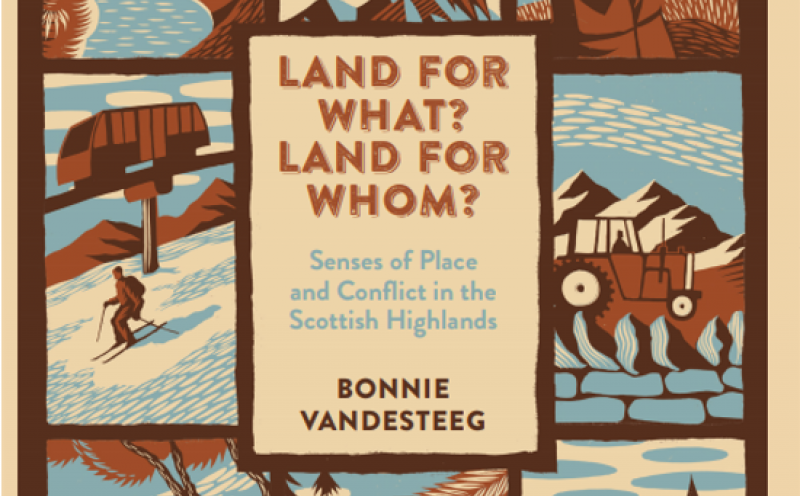
One of the quotes from my book relates to this:
“I think what you are picking up on as well is that a lot of it is nothing to do with nature conservation; it’s to do with power. In the recent debate about beaver in Scotland, if you were able to really check it through, you would find that a lot of people who are against it or for it know very little about the beaver.
Some of the views as to why they want it or don’t want it are not based on the ecology of the animal, they’re thinking if Scottish Natural Heritage want it then I don’t. If this group don’t want it, then I’m for it. So I think any of these discussions, whether in Strathspey or the rest of the world are based on these relationships and power and who thinks they should be in charge.”
The wider issue is that more and more land is being used to achieve environmental objectives and increasingly land is being bought up as a way of cashing in on the money to be made, with government grants and carbon credit trading. This is leading to a power struggle between traditional landowners (sporting estates and their tenant farmers) and the new green landowners, both charities and private. Of course there is a worry that the government and other bodies such as national park authorities will give more of an ear to these new landowners. Land reform legislation, deer management policies and regulation of grouse moors has made the traditional landowners nervous and they hit back whenever they can.
So what about the farmers on this protest? Most are actually tenant farmers, many of land owned by Seafield Estates. With all the changes going on is not surprising that farmers and crofters are worried. As one of the farmers I talked to in my research said: “I don’t want to be a hobby farmer”, meaning he wants to produce food, not environmental outcomes. The change in culture will be difficult for many farmers to make. Of course they will need money to make this transition as well as practical support.
I have one serious question to ask, though, of the alliances farmers make. I was told by many during my research time that farmers and workers on sporting estates saw themselves on the same side. I struggled to understand why. One the one hand, they have similar aims in that the land is meant to produce something, food or bags of grouse. But on the other, the main aim of the shooting is not to produce food but to entertain rich people, and make money for the estate through the money they pay- so more similar to mountain guiding than farming.
One of the reasons, perhaps, is that many farmers are actually tenants on the big sporting estates. Mary and Jimmy Yule, who featured in my research, were tenants of Seafield and were friends with the keepers and stalkers from Kinveachy (part of Seafield). The Crofting and Farming Association in the Cairngorms mentions Scottish Land and Estates as one of the organisations they are working with- this is the main representative and lobbying force of the traditional landowner (https://www.scottishlandandestates.co.uk/).
But do these landowners actually have the best interests of tenant farmers at heart? In other parts of the country land owners are taking back tenancies, seeing opportunities to make more money through the environmental schemes and carbon credit trading than having a tenant farmer (See: https://www.farmersguardian.com/news/4193626/landlords-table-constructive-talks-cumbrian-tenant-farmers and https://www.farmersguardian.com/news/4136449/nvironment-schemes-tenant-farmers-gone-land-hand).
Maybe the crofters and farmers in the Cairngorms need to think carefully about who they ally themselves with and make sure they remain independent of the big landowners who may have their own agenda. Perhaps a different landowning system, such as community land ownership, would ensure that power was put into the hands of people rather than landowners such that everyone in a community had a say in how the land was managed. Yes there would still be conflicts, over beavers and other things, but at least if people were political equals and were coming together in the same space, these conflicts could be resolved more easily with respect and sensitivity.
 Land for What? Land for Whom?